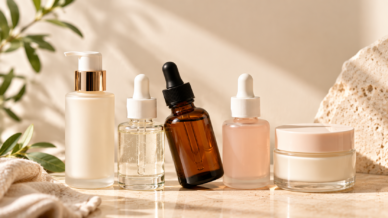
Walk into any beauty store and it is easy to think you need a cleanser, toner, essence, serum, eye cream, face oil, sleeping mask and several other products just to have a proper skincare routine.
You don’t.
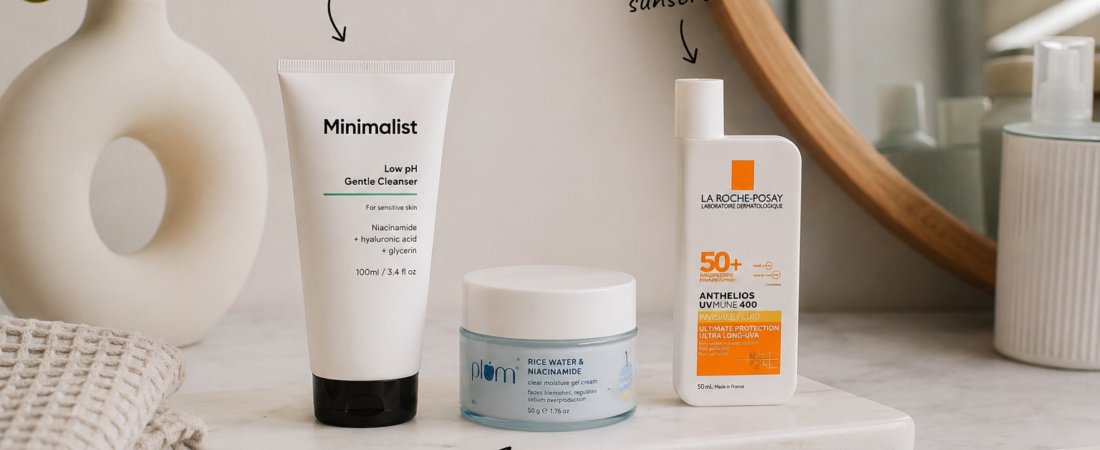
For most beginners, a good skincare routine can be surprisingly simple. The basics are cleanser, moisturizer and sunscreen. Everything else depends on what your skin needs and what you are trying to address.
That doesn’t mean serums, toners or face oils are useless. They can be helpful in the right routine. They are simply not necessities for everyone.
What do you actually need in a skincare routine?
Think of skincare in two categories:
Essentials: cleanser, moisturizer and sunscreen.
Optional products: serum, toner, eye cream and face oil.
Your skin type, concerns, climate and personal preferences can determine whether an optional product is worth adding.
Starting with fewer products also makes it easier to understand what works for your skin.
1. Cleanser
A cleanser removes sweat, excess oil, dirt, sunscreen and other buildup from your skin.
For a beginner, you don’t need an elaborate cleanser with a long list of active ingredients. A gentle cleanser that suits your skin type is usually a sensible starting point.
If your skin feels tight, dry or uncomfortable after washing, your cleanser may be too harsh. If you have oily or combination skin, you may prefer a lightweight gel or foaming cleanser.
The goal isn’t to make your skin feel “squeaky clean.” That feeling can sometimes mean you’ve removed too much of the skin’s natural oil.
Dermatologists generally recommend limiting face washing to twice a day and after sweating, rather than repeatedly cleansing throughout the day.
Worth considering:
Cetaphil Gentle Skin Cleanser — a simple option for people looking for a gentle cleanser.
2. Moisturizer
Moisturizer helps keep water in the skin and supports a comfortable skin barrier.
Even oily skin can benefit from moisturizer. The trick is choosing a texture that feels comfortable rather than assuming oily skin needs no hydration.
A lightweight gel or lotion may suit someone who dislikes heavy products, while a richer cream may be more comfortable for dry skin.
You don’t need separate morning and night moisturizers unless you have a particular reason for using different products.
Worth considering:
Minimalist Vitamin B5 Moisturizer – a lightweight yet effective moisturizer.
3. Sunscreen
If you add only one product beyond basic cleansing and moisturizing, sunscreen deserves serious attention.
Look for broad-spectrum protection and SPF 30 or higher. Water resistance can also be useful, particularly when you are outdoors, sweating or swimming.
Sunscreen helps protect against UV-related skin damage, including sunburn and premature skin aging. It is especially relevant if you are concerned about dark spots or uneven pigmentation because UV and visible light can contribute to pigmentation. Tinted sunscreens containing iron oxide may provide additional protection from visible light.
For Indian consumers, comfort matters too. A sunscreen that feels heavy, leaves an obvious cast or makes you avoid wearing it is unlikely to become a consistent part of your routine.
Worth considering:
Minimalist Sunscreen SPF 50 PA ++++ – Broad Spectrum and Hydrating Sun screen for Dry & All Skin Types.
4. Serum: useful, but not essential
Serum is where skincare becomes more targeted.
Unlike a basic cleanser or moisturizer, a serum is usually chosen for a particular concern. Depending on its ingredients, it may be used for concerns such as uneven tone, dryness or signs of aging.
But you don’t automatically need one.
If your cleanser, moisturizer and sunscreen are working well and you don’t have a specific concern you want to address, there is no need to add a serum simply because skincare videos recommend one.
Use our how to introduce actives in skincare guide before you start adding a serum in your skincare.
If you do add one, introduce it gradually rather than adding several active ingredients at the same time. Using too many products can make irritation harder to identify.
Worth considering:
Minimalist 10% Niacinamide Serum: All in one serum reduces Acne Marks, Controls Oil & Minimizes Pores.
5. Toner: is it necessary?
For most beginners, no.
Toners have changed considerably over the years. Some traditional toners were mainly used to remove leftover residue after cleansing, while modern toners can contain hydrating or active ingredients.
A hydrating toner can feel pleasant, particularly if your skin feels dry. A toner containing an active ingredient may also have a specific purpose.
But if you already use a cleanser and moisturizer that work for you, skipping toner doesn’t leave an important gap in your routine.
Think of toner as an optional step rather than a requirement.
6. Eye cream: do you need it?
Usually, no.
The skin around the eyes can have different needs, but that doesn’t automatically mean you need a separate product.
A well-formulated moisturizer may be perfectly adequate for basic hydration around the eye area, provided the product is suitable for that area and doesn’t cause irritation.
Eye creams can make sense when you specifically want a product formulated for a particular concern, but they shouldn’t be treated as a mandatory beginner skincare purchase.
7. Face oils: optional
Face oils can help reduce moisture loss and can make dry skin feel softer and more comfortable.
But oil is not the same thing as hydration, and adding an oil doesn’t automatically improve every skincare routine.
If you have oily or acne-prone skin, you may simply prefer to skip facial oils. If your skin is dry, you might enjoy adding a small amount as the final step at night.
Again, it comes down to what your skin actually needs.
What beginners can skip
You can start your routine without:
- Toner
- Eye cream
- Face oil
- Multiple serums
- Essences
- Facial mists
- Scrubs
- Several different moisturizers
- Separate products for every tiny concern
This doesn’t mean these products are bad. It means they are optional.
A simple routine is often easier to maintain, easier on your budget and easier to troubleshoot if your skin becomes irritated.
A simple beginner skincare routine
Morning:
- Gentle cleanser, if needed
- Moisturizer
- Broad-spectrum SPF 30+ sunscreen
Night:
- Cleanser
- Moisturizer
Once you’ve followed this consistently and understand how your skin responds, you can decide whether you actually need a targeted product such as a serum.
You don’t have to build a 10-step routine on day one.
The bottom line
Good skincare isn’t about owning the most products. It’s about choosing products that have a reason to be in your routine.
For most beginners, start with cleanser, moisturizer and sunscreen. Add a serum when you have a specific concern you want to target. Treat toner, eye cream and face oils as optional extras rather than necessities.
The best routine is not necessarily the longest one. It is the one you understand, can afford and are comfortable using consistently.
Affiliate disclosure
Some links in this article may be affiliate links. If you purchase through them, we may earn a small commission at no additional cost to you.