Skincare labels can feel like a chemistry lesson when you’re just trying to choose a serum or moisturizer. Names such as niacinamide, hyaluronic acid, retinol, vitamin C and salicylic acid appear on products everywhere, but each ingredient serves a different purpose.
The easiest way to understand skincare ingredients is to stop asking which one is “best” and start asking what does this ingredient do, who might benefit from it, and do I actually need it?
Knowing what an active ingredient does is only the first step. If you’re new to active ingredients, our guide on how to use actives in skincare explains how to introduce them gradually and what to watch for along the way.
This article is independently researched and is not medically reviewed. It provides general skincare information and does not replace advice from a qualified healthcare professional.
What Do Skincare Ingredients Actually Do?
Skincare ingredients perform different jobs. Some help the skin hold onto moisture, some support the skin barrier, some exfoliate, and others target concerns such as clogged pores, uneven-looking tone or visible signs of aging.
Before choosing an ingredient, it helps to understand your skin type and what your skin actually needs.
You don’t need to understand every ingredient on a product label. Learning a handful of common skincare ingredients can make product shopping much easier.
The seven below appear frequently in serums, moisturizers and other skincare products.
7 Common Skincare Ingredients Explained
1. Hyaluronic Acid: For Hydration
Hyaluronic acid is a humectant. It helps attract and retain water in the skin, which can make skin feel more hydrated and comfortable.
Despite the word “acid,” hyaluronic acid does not work like exfoliating acids such as glycolic acid or salicylic acid.
Hyaluronic acid can be useful for different skin types, particularly when your skin needs additional hydration.
You might consider it if: your skin often feels dry or dehydrated.
What to know before buying: you don’t necessarily need a separate hyaluronic acid serum. A moisturizer may already contain hydrating ingredients that meet your needs.
The American Academy of Dermatology includes hyaluronic acid among ingredients commonly used to support skin hydration.
Skincare Products Worth Considering
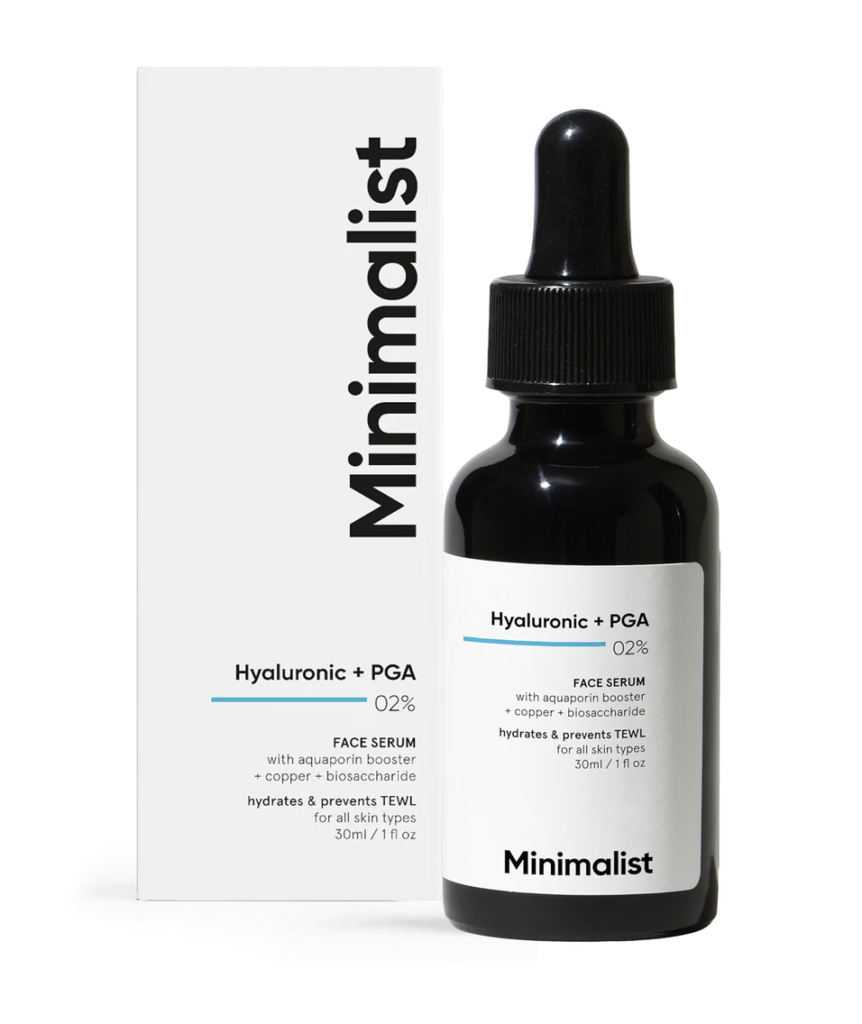
MINIMALIST
Hyaluronic Acid 2% (₹569*)
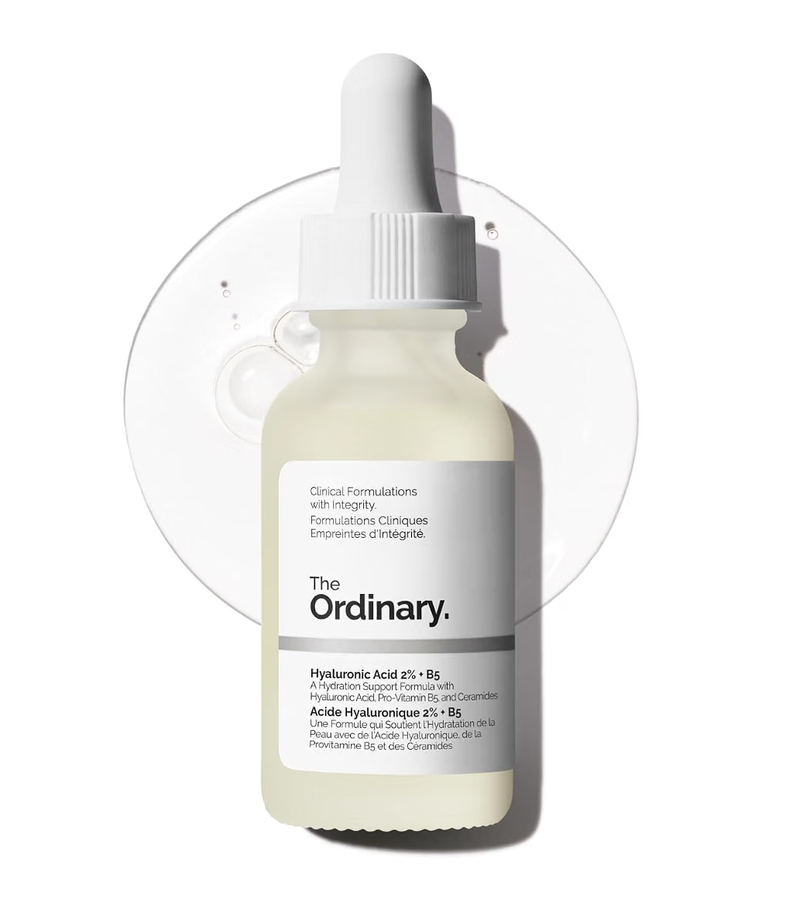
THE ORDINARY
Hyaluronic Acid 2%+B5 (₹1000*)
2. Niacinamide: A Versatile Vitamin B3 Ingredient
Niacinamide, also called nicotinamide, is a form of vitamin B3. Skincare products use it for several purposes, including supporting the skin barrier and addressing concerns related to oiliness and uneven-looking skin.
The Cleveland Clinic notes that niacinamide can support the skin and may help with several common skin concerns. Some people can experience irritation, particularly with stronger formulations.
You might consider it if: you want a versatile ingredient for concerns such as excess oil, uneven-looking tone or barrier support.
What to know before buying: a higher percentage doesn’t automatically make a product better. Choose a formulation that your skin can tolerate.
Skincare Products Worth Considering
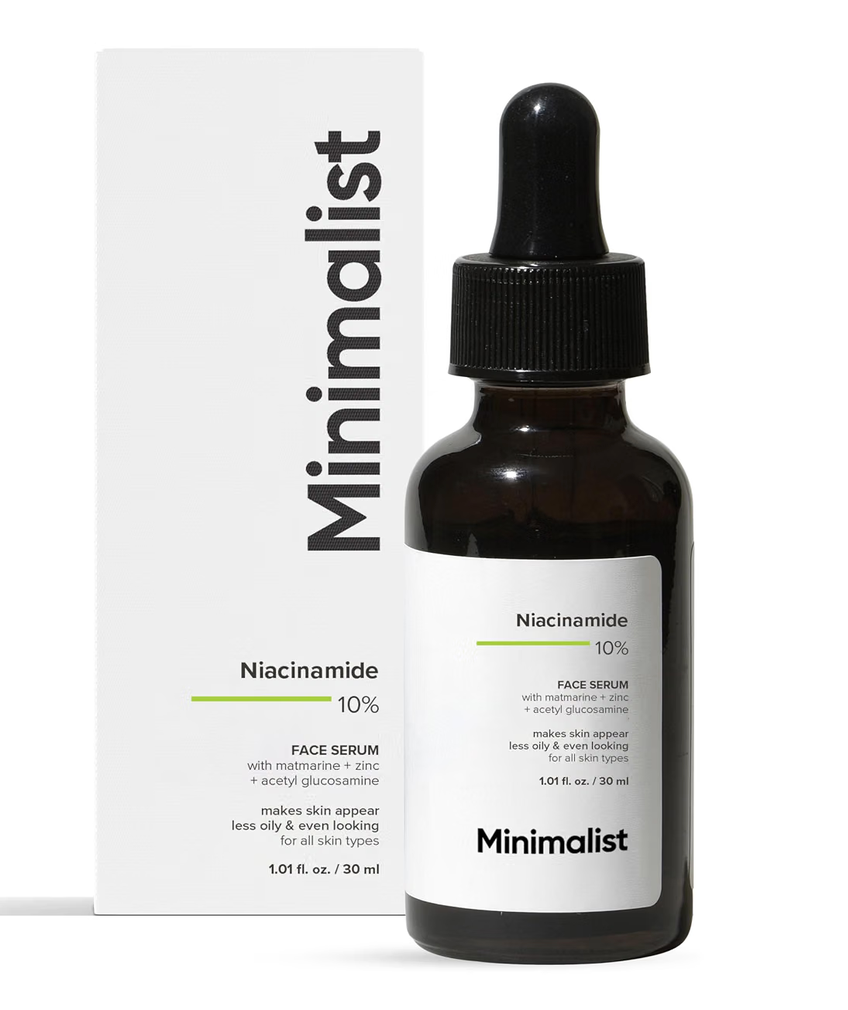
MINIMALIST
Niacinamide 10% + Zinc (₹569*)
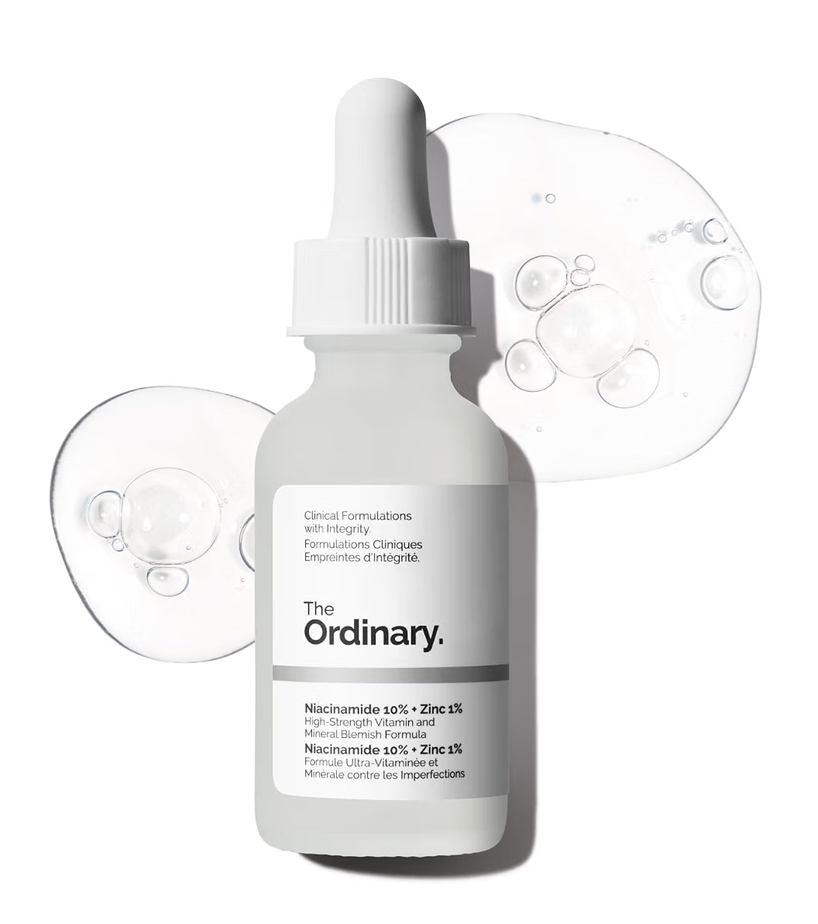
THE ORDINARY
Niacinamide 10% + Zinc 1% (₹600*)
3. Vitamin C: An Antioxidant for Skincare
Vitamin C is an antioxidant commonly found in products designed to improve the appearance of dull or uneven-looking skin.
The name “vitamin C” also doesn’t tell you everything about a product. Skincare formulas can use different forms of vitamin C, and the formulation affects how the product performs.
You might consider it if: dullness or uneven-looking tone concerns you.
What to know before buying: vitamin C doesn’t replace sunscreen. A morning routine can include vitamin C, but sunscreen remains your main protection against UV exposure.
Skincare Products Worth Considering
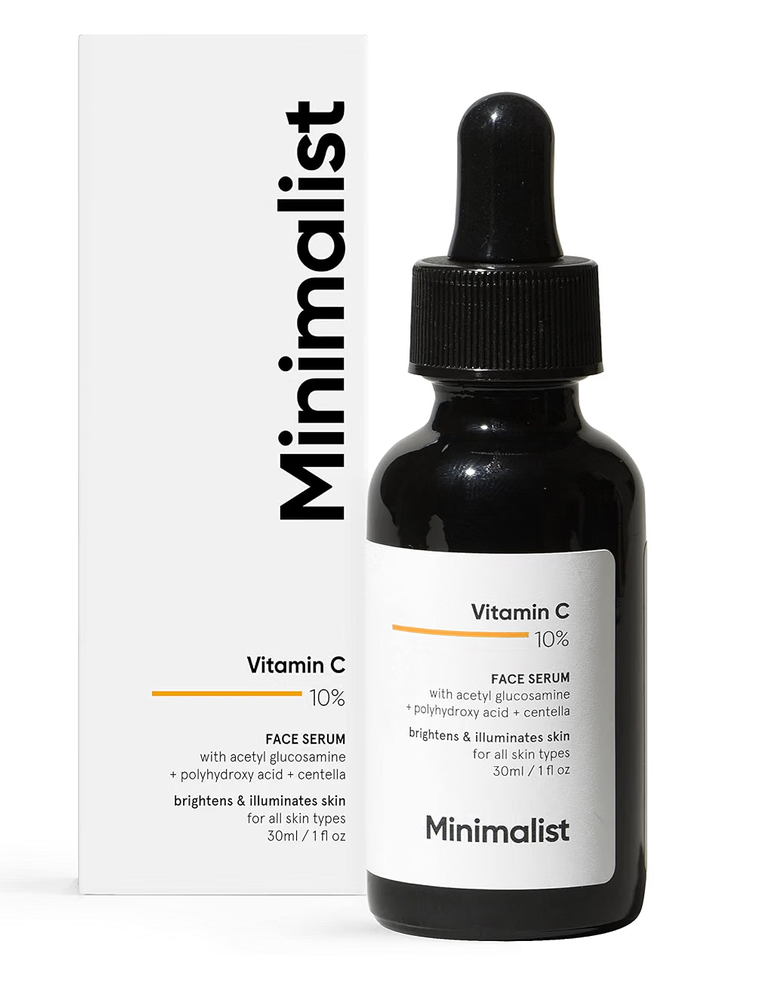
MINIMALIST
Vitamin C 10% (₹660*)
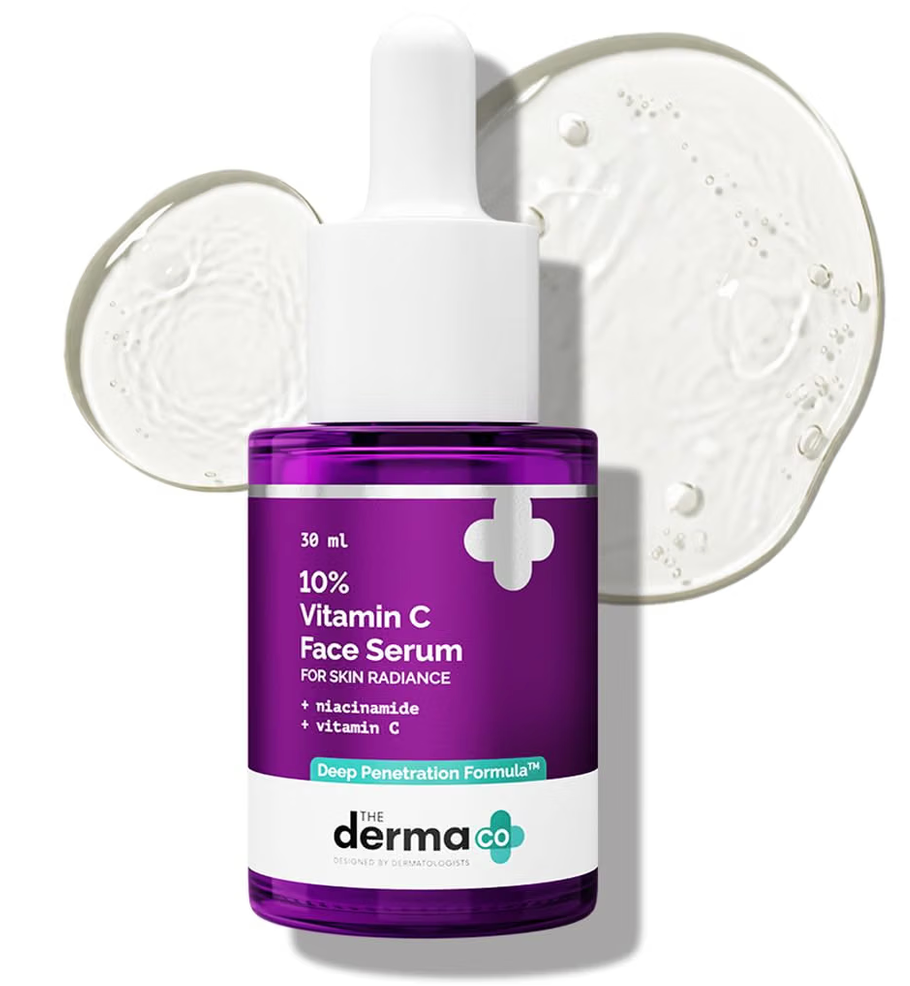
DERMACO
Vitamin C 10% (₹628*)
4. Salicylic Acid: For Clogged Pores and Exfoliation
Salicylic acid belongs to the beta hydroxy acid, or BHA, family. It exfoliates the skin and commonly appears in products designed for oily skin and clogged pores.
The American Academy of Dermatology lists salicylic acid among ingredients used in skincare for acne-prone skin.
You might consider it if: clogged pores, blackheads or excess oil are concerns.
What to know before buying: adding several exfoliating products at once can leave your skin irritated. Start with one exfoliating product and see how your skin responds.
Skincare Products Worth Considering
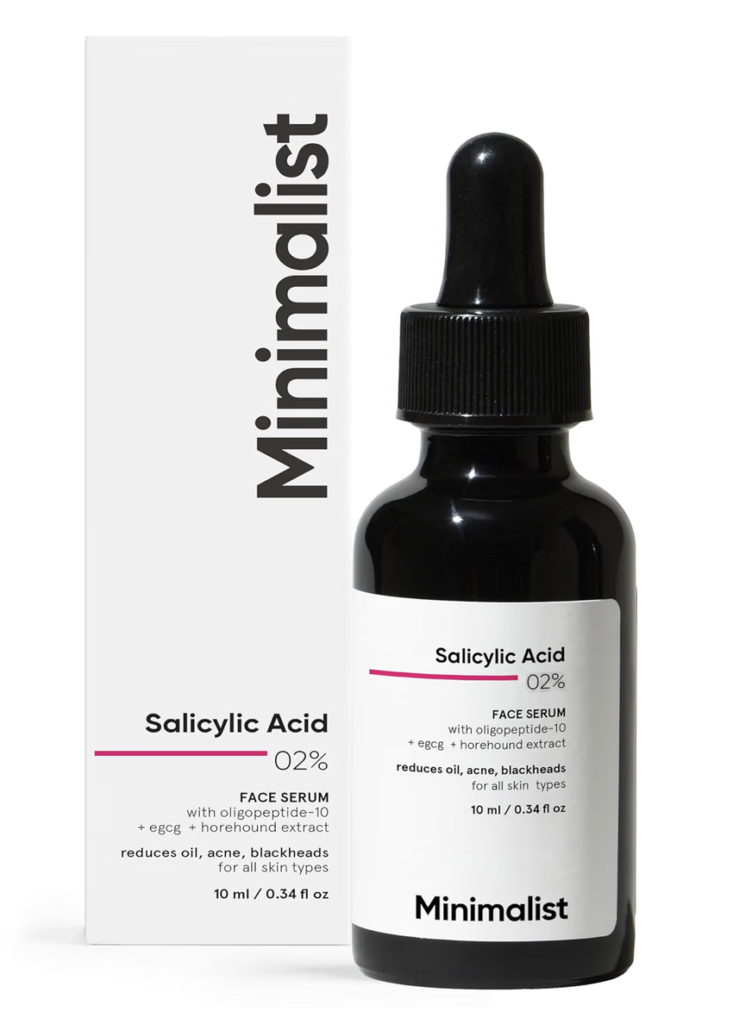
MINIMALIST
Salicylic Acid 2% (₹521*)
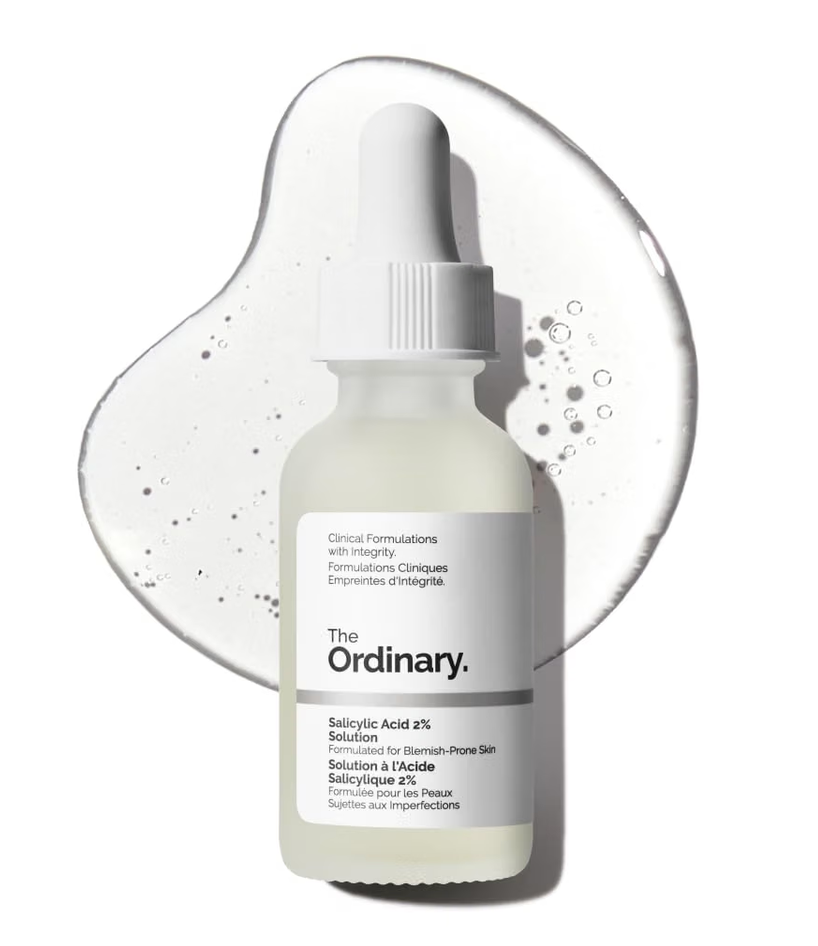
THE ORDINARY
Salicylic Acid 2%+B5 (₹600*)
5. Retinol: A Vitamin A Derivative
Retinol belongs to the retinoid family. Skincare products commonly use it to address visible signs of aging, uneven texture and some acne-related concerns.
Retinol can irritate the skin, especially when someone introduces it too quickly. The American Academy of Dermatology recommends introducing retinoids gradually and highlights the importance of sun protection.
You might consider it if: you want to address texture, visible signs of aging or certain acne concerns.
What to know before buying: retinol doesn’t belong in every beginner’s routine. Start slowly if you choose to use it.
If you are pregnant or trying to become pregnant, speak with your healthcare professional before using retinoid products. The AAD advises avoiding retinoids during pregnancy.
Skincare Products Worth Considering
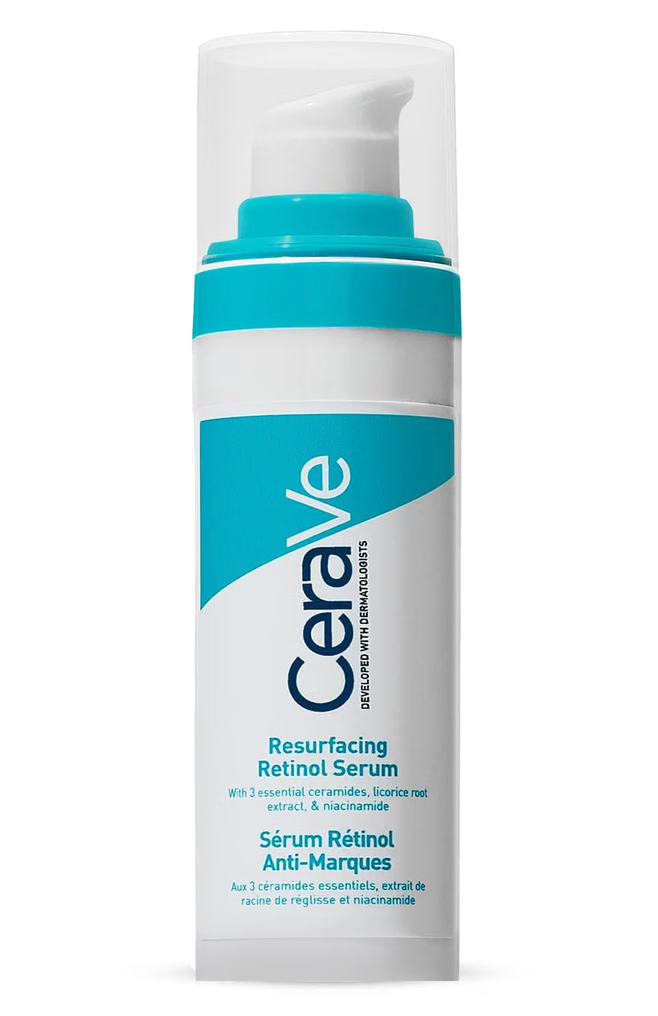
CERAVE
Resurfacing Retinol Serum (₹1500*)
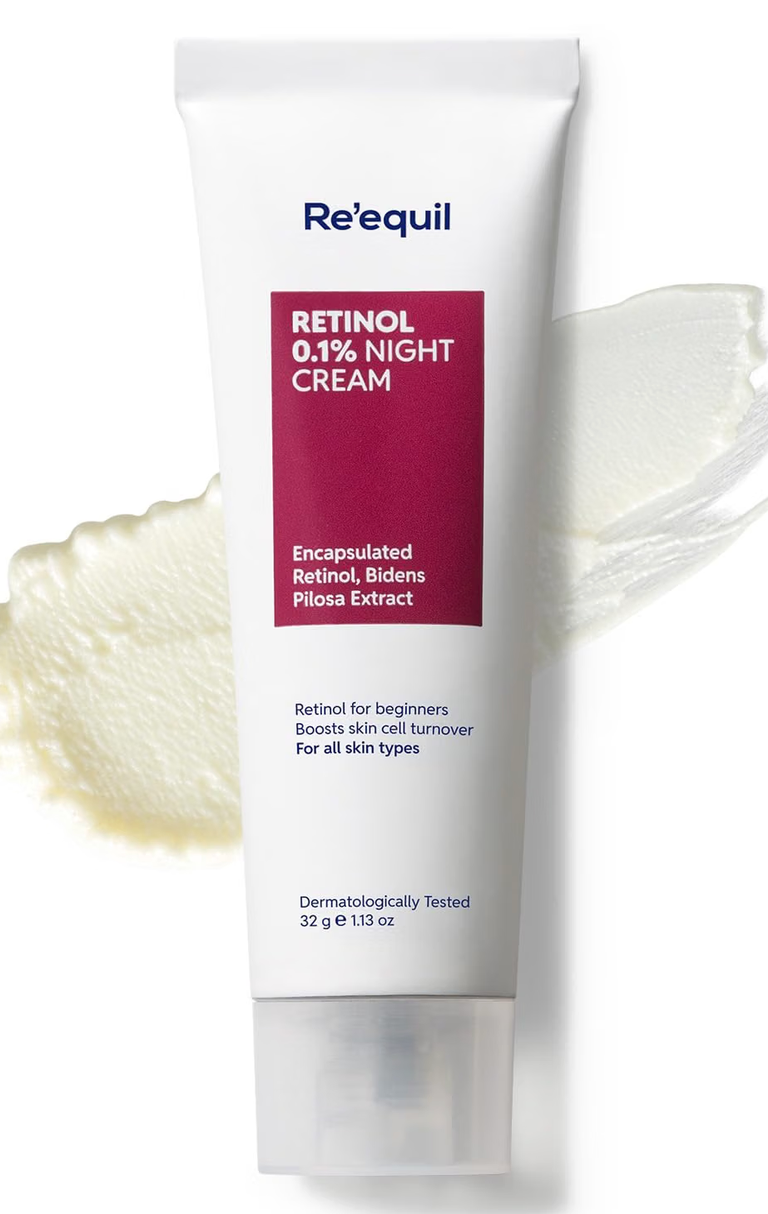
RE’ EQUIL
0.1% Retinol Night Cream (₹472*)
6. Ceramides: Supporting the Skin Barrier
Ceramides are lipids that naturally occur in the skin. Skincare products use them in moisturizers and other formulas designed to support the skin barrier.
They make particular sense in a moisturizer because you don’t need a separate serum for every useful ingredient.
You might consider them if: your skin feels dry, tight or uncomfortable.
What to know before buying: look at the whole moisturizer rather than choosing it only because the label says “ceramides.”
The AAD includes ceramides among ingredients commonly used in moisturizers for dry skin.
Skincare Products Worth Considering
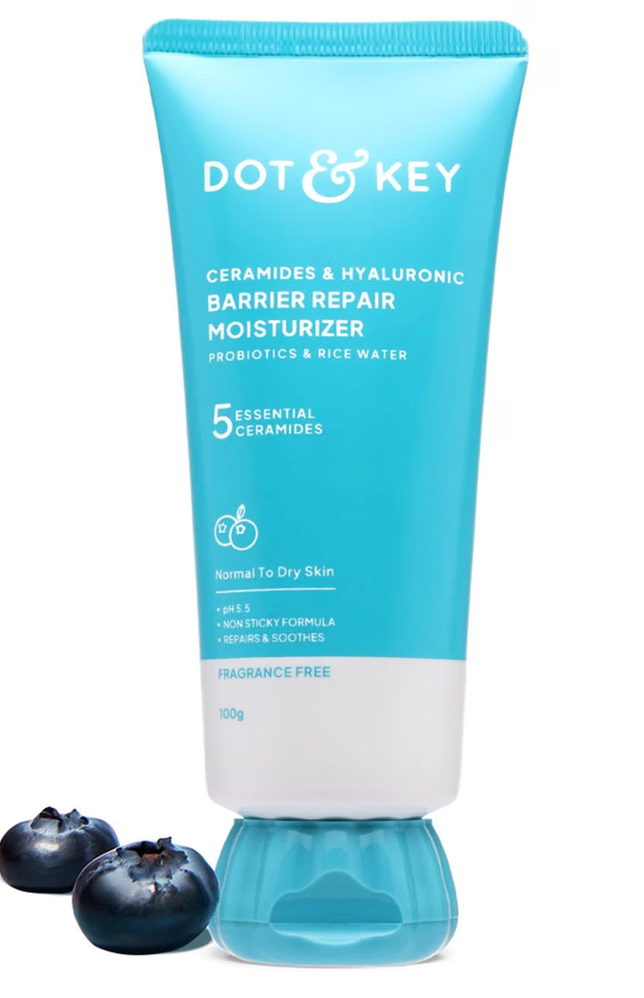
DOT AND KEY
Barrier Repair Moisturizer (₹348*)
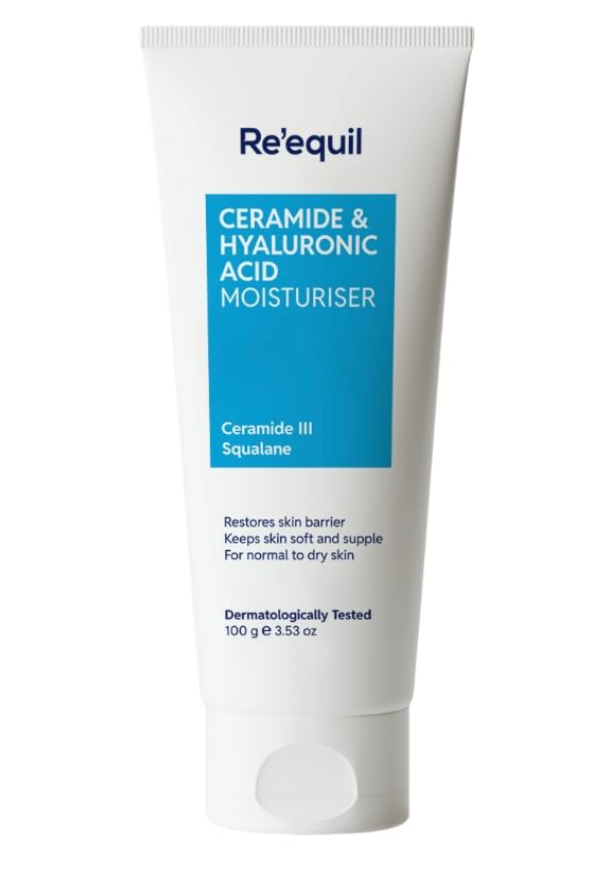
RE’ EQUIL
Ceramide Moisturiser(₹280*)
7. AHA and BHA: Exfoliating Acids
AHA and BHA describe groups of exfoliating ingredients rather than single ingredients.
AHAs, or alpha hydroxy acids, include glycolic acid and lactic acid. They mainly exfoliate the skin’s surface.
BHA refers to beta hydroxy acid. Salicylic acid is the most familiar example in skincare.
The FDA explains that the effects of AHA products depend on factors such as the type and concentration of the acid and the product formulation.
You might consider an AHA if: surface texture or dull-looking skin concerns you.
You might consider BHA if: clogged pores and excess oil are bigger concerns.
What to know before buying: exfoliation can become too much when you combine several strong products. Your routine doesn’t need an acid just because a skincare trend says it does.
If you’re introducing exfoliating acids into your routine, it’s also worth understanding how to layer skincare products correctly.
Skincare Products Worth Considering
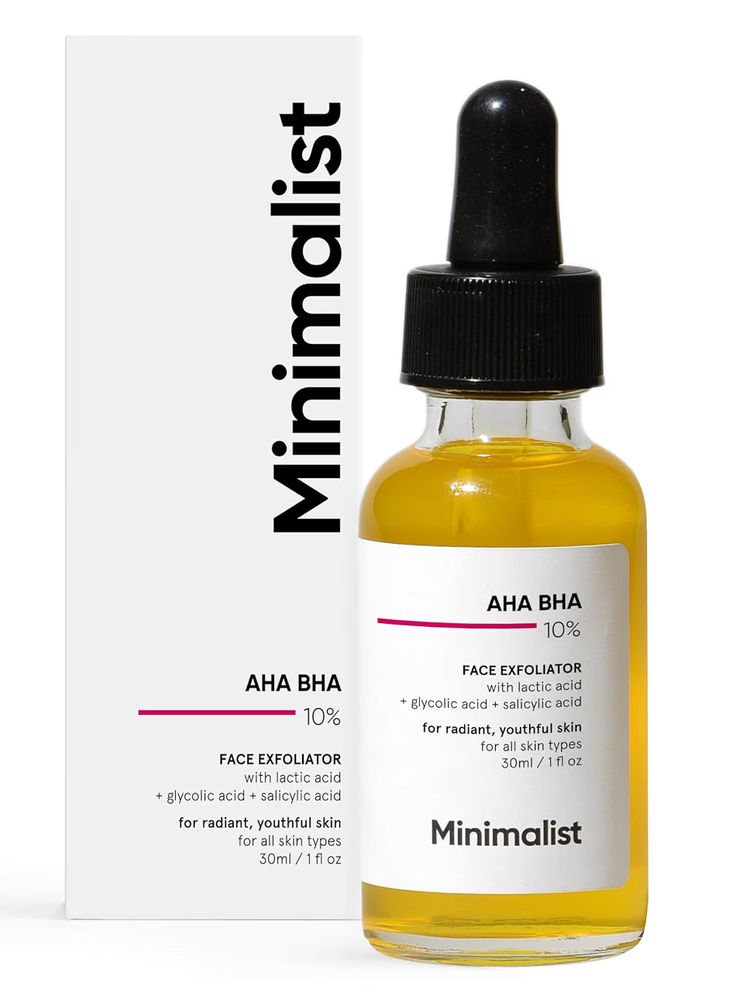
MINIMALIST
10% AHA BHA Exfoliating Serum(₹539*)
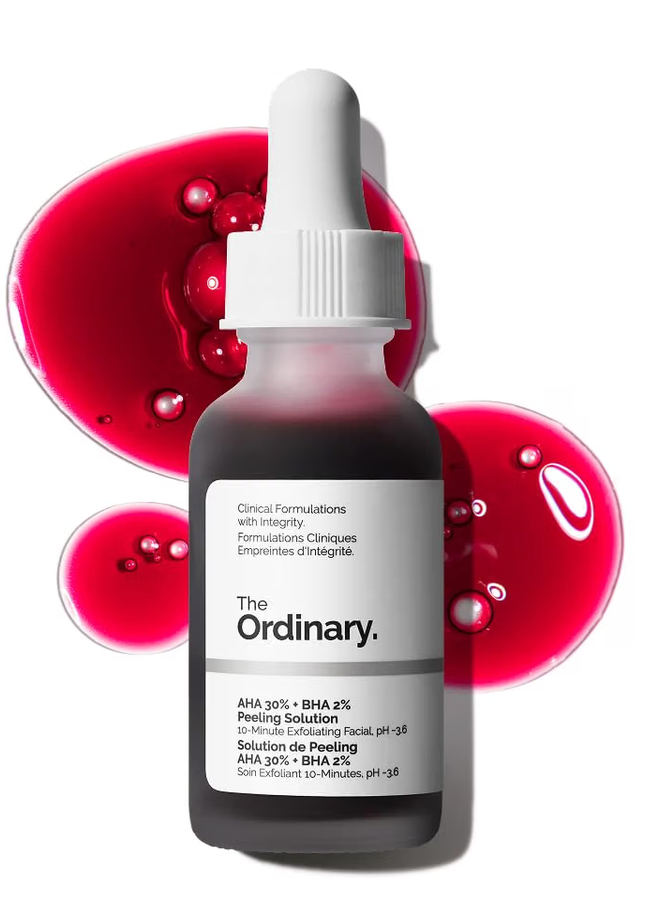
THE ORDINARY
AHA 30% + BHA 2% Peeling Solution (₹950*)
Which Skincare Ingredients Match Different Skin Concerns?
Start with the concern rather than the ingredient.
| Skin concern | Ingredients worth learning about |
|---|---|
| Dry or dehydrated-feeling skin | Hyaluronic acid, ceramides |
| Excess oil | Niacinamide, salicylic acid |
| Clogged pores | Salicylic acid |
| Uneven-looking tone | Vitamin C, niacinamide |
| Rough surface texture | AHA, retinol |
| Visible signs of aging | Retinol |
| Skin-barrier support | Ceramides, niacinamide |
These categories don’t mean that one ingredient will solve a concern. They simply give you a starting point when you read product labels.
Do You Need Every Skincare Ingredient?
No.
A beginner doesn’t need seven serums to build a good routine. A simple routine can start with a gentle cleanser, moisturizer and broad-spectrum sunscreen. You can add one targeted ingredient when you have a specific reason to do so.
Adding several actives at the same time also creates a practical problem: if your skin becomes irritated, you won’t know which product caused it.
A crowded routine can also make skincare more expensive without giving you a clear benefit.
How to Choose Skincare Ingredients When Shopping
Read the product beyond the big claim on the front.
Look for the ingredient name, product type, concentration when the brand provides it, directions and warnings. Don’t assume that a product becomes more effective simply because it contains a longer list of active ingredients.
The formulation matters too. Two products can contain the same headline ingredient and still feel very different on the skin.
Indian shoppers also have plenty of choice across price ranges, from pharmacy products to newer Indian skincare brands. Current Indian ingredient resources such as CureSkin now catalogue thousands of ingredients and connect them with products, which shows just how crowded the category has become.
A useful buying question is:
What problem am I trying to solve, and does this product contain an ingredient that actually relates to it?
That question can save you from buying a serum simply because its ingredient name is trending.
Common Mistakes Beginners Make With Skincare Ingredients
Starting too many actives at once makes irritation harder to trace. Introduce new products gradually.
Choosing the highest percentage can backfire when your skin doesn’t tolerate the formula. A bigger number on the label doesn’t automatically mean a better choice.
Treating irritation as proof that a product works can encourage overuse. Burning, persistent redness or significant peeling deserves attention rather than another application.
Ignoring the basics can also make a routine unnecessarily complicated. Moisturizer and sunscreen often matter more to a sustainable routine than adding another treatment serum.
Buying based only on the front label can also lead to poor choices. Read the ingredient list, directions and product claims before deciding.
Frequently Asked Questions About Skincare Ingredients
What are the most common skincare ingredients for beginners?
Hyaluronic acid, niacinamide, vitamin C, salicylic acid, retinol, ceramides and AHAs/BHAs are among the ingredients beginners frequently encounter. Each serves a different purpose, so your choice should depend on your skin concern rather than popularity.
What skincare ingredients should a beginner use first?
There isn’t one ingredient that every beginner needs. Start with a basic cleanser, moisturizer and sunscreen, then consider one targeted ingredient based on your main concern.
Can you use niacinamide and hyaluronic acid together?
Yes. They serve different purposes and can appear in the same routine. Hyaluronic acid mainly supports hydration, while niacinamide has broader uses that include skin-barrier support.
What is the difference between AHA and BHA?
AHAs such as glycolic acid and lactic acid mainly exfoliate the skin’s surface. BHA refers to beta hydroxy acid, with salicylic acid as the common skincare example.
Is retinol suitable for beginners?
Some beginners can use retinol, but the ingredient can irritate skin when someone introduces it too quickly. Start gradually if you choose to use it and follow the product’s directions. Avoid retinoids during pregnancy unless a healthcare professional advises otherwise.
The Bottom Line on Skincare Ingredients
Understanding skincare ingredients doesn’t mean memorizing every name on a product label.
Learn what the common ingredients do, identify the concern you actually want to address, and choose products that fit your routine and your skin’s tolerance. You may discover that you need only one targeted active rather than an entire shelf of serums.
The smartest skincare purchase isn’t necessarily the product with the longest ingredient list. It’s the one that has a clear purpose in your routine.